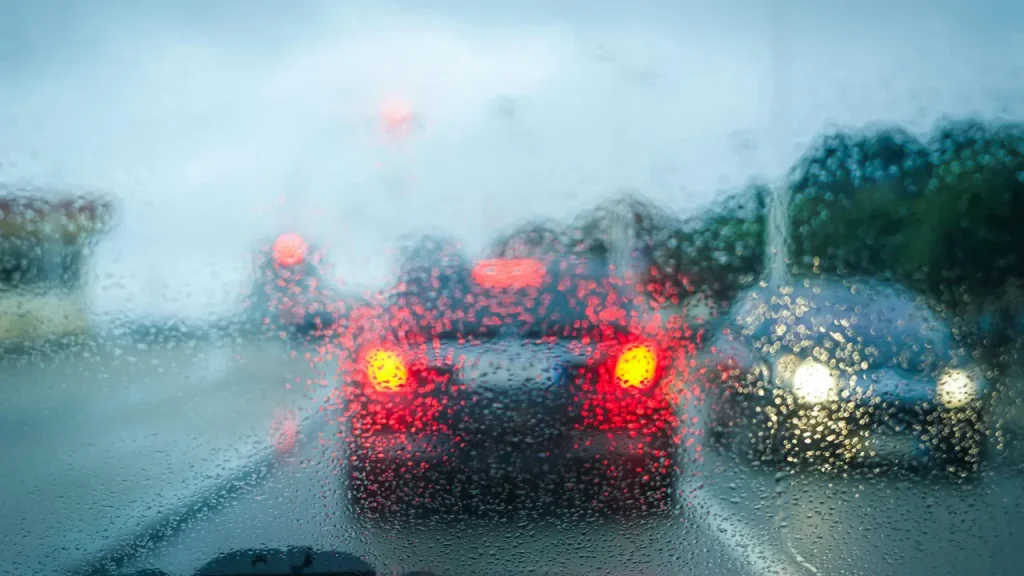
In the wake of the recent weather warnings, OUTsurance, the Irish-based car insurance provider, is encouraging Irish residents to take precautionary steps to protect their vehicles and remain extra vigilant on the roads as periods of heavy rain, strong winds and travel disruptions are expected to continue across the country.
With weather warnings a recent feature in recent months, motorists are being reminded that severe and unpredictable conditions can develop quickly, often catching drivers off guard. OUTsurance is advising road users to take warnings seriously and to plan journeys carefully as Ireland continues to experience unsettled weather patterns.
Recent storms and weather systems have already caused localised flooding, fallen debris and hazardous driving conditions in several counties. These conditions have resulted in difficult journeys for commuters, with reports of reduced visibility, blocked roads and waterlogged surfaces becoming increasingly common.
OUTsurance is reminding motorists that preparation and caution are key to reducing the risk of incidents during these challenging conditions. Even short journeys can become dangerous when the weather deteriorates rapidly, particularly on rural roads or in areas prone to flooding.
Adverse weather can significantly increase the likelihood of road incidents, with reduced visibility, surface water and strong gusts all contributing to more demanding driving environments. Wet and windy conditions can also obscure road markings, conceal potholes and lead to sudden hazards such as fallen branches or debris on the road, leaving drivers with little time to react.
“Severe weather increases the likelihood of incidents on the road,” said Ian Kennedy, Chief Marketing Officer (CMO) at OUTsurance. “But the good news is that a few proactive measures can go a long way in keeping people, property and vehicles safe and helping them withstand extreme weather events like what we’ve seen in the aftermath of Storm Chandra.”
OUTsurance also advises motorists to take time to check their vehicles ahead of any necessary journeys, particularly when weather warnings are in place. Ensuring tyres have adequate tread depth and correct pressure, windscreen wipers are in good condition, and washer fluid is topped up can make a significant difference when driving in heavy rain. Clear windscreens and reliable tyres are especially important when visibility is poor and roads are slick.
Drivers should also ensure fuel levels are sufficient in case of unexpected delays, diversions or slow-moving traffic caused by flooding or debris. Carrying essential items such as a mobile phone charger, warm clothing and emergency supplies can provide added peace of mind during severe weather events.
For those who must travel, allowing extra time for journeys and staying informed through local traffic updates and weather alerts can help reduce stress and improve safety. Where possible, motorists are encouraged to avoid driving during peak storm periods and to follow guidance issued by local authorities, particularly in areas where flooding or high winds are known risks.