
All Things Cars
Change of Ownership of a Car in Ireland: How to Transfer It Online or by Post
Selling or buying a car privately? Here is exactly how the change of ownership works in Ireland, online in minutes or on paper by post, plus the mistakes that leave sellers liable for a car they no longer own.
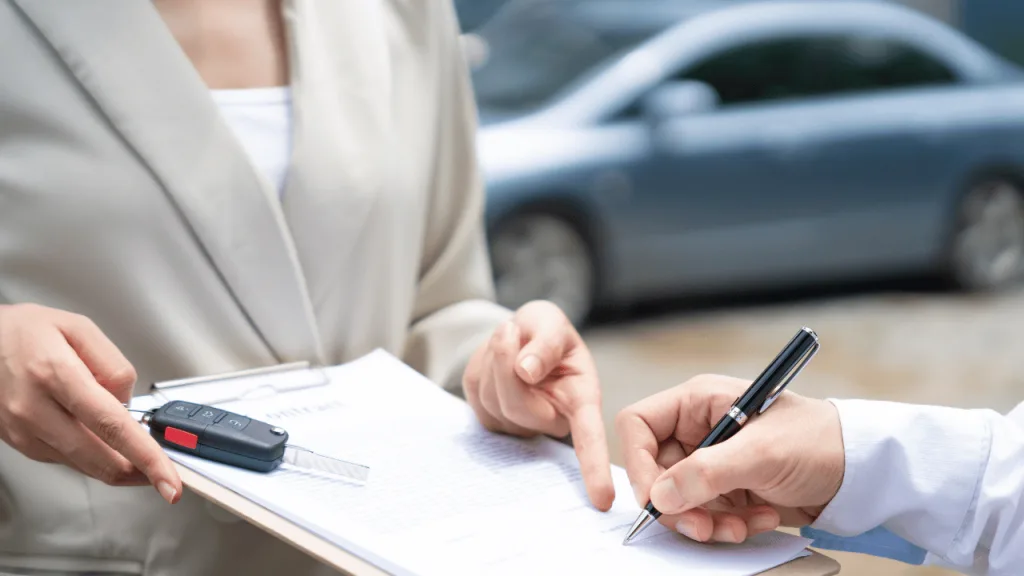
Every time a car changes hands in Ireland, the National Vehicle and Driver File (NVDF) has to be updated with the new owner. Until that happens, the seller is still the legal owner on record, which means speeding fines, toll bills and parking notices keep landing on their doormat.
There are now two ways to do it: a fast online transfer using a one-time PIN, or the traditional route of filling in the back of the Vehicle Registration Certificate (the log book) and posting it to Shannon. Both are free.
The short answer
- Private sale, both parties online: use the Department of Transport's online Change of Vehicle Ownership service. The seller gets a PIN, the buyer enters it, and the record updates straight away.
- Private sale, paper route: seller and buyer complete the change of ownership section on the back of the VRC and the seller posts it to the Department of Transport in Shannon.
- Selling to a dealer: you both complete form RF105 instead, unless the dealer uses the online trade service.
- Cost: nothing. Registering a change of ownership is free.
Online vs paper: which route to use
| Online transfer | Paper (back of the VRC) | |
|---|---|---|
| Who starts it | Seller requests a one-time PIN | Seller and buyer both fill in and sign the form |
| What you need | Registration number, VRC document number, seller's email, buyer's verified MyGovID | The original VRC |
| Who sends it | Nobody, it updates instantly | The seller, by post to Shannon |
| Processing time | Immediate | Roughly 2 to 5 working days once it arrives, plus postage |
| New VRC for the buyer | Posted to the buyer | Posted to the buyer |
| Fee | Free | Free |
If you can, do it online. It removes the biggest weakness of the paper system: the gap between handing over the keys and the Department actually receiving the form.
How to change ownership online, step by step
The online service is designed to be done together, at the point of sale, because the PIN only lasts a short time.
- Seller: open the online Change of Vehicle Ownership service and enter the car's registration number and the VRC document number printed on the log book.
- Seller: a one-time transfer PIN is emailed to you. It expires after 30 minutes, so only request it when the buyer is standing in front of you with the money sorted.
- Seller: give the PIN to the buyer.
- Buyer: log in with a verified MyGovID account, enter the PIN and confirm the ownership declaration.
- Done: ownership transfers on the record immediately and a new VRC is posted to the buyer's address.
The most common hold-up is the buyer not having a verified MyGovID. Verification needs a Public Services Card, so check this before the day of the sale, not in a car park on a Saturday afternoon.
How to change ownership by post
The paper route still works and is what many people use for older cars or when one side is not set up online.
- Turn the VRC over and find the change of ownership section.
- The seller fills in their details and signs. The buyer fills in their full name and address, including the Eircode, and signs.
- Write in the date of sale. Leave nothing blank: incomplete forms are the main reason transfers get sent back.
- Take a photo of the completed, signed section before it goes in the envelope.
- The seller posts the whole VRC to: Driver and Vehicle Computer Services Division, Department of Transport, Shannon Town Centre, Shannon, Co. Clare, V14 P298.
Citizens Information says the Department takes approximately 2 to 5 days to process a VRC once received. Allow for postage on top, and if the buyer has not received the new log book within about three weeks, it is worth following up.
Seller tip: never hand the signed VRC to the buyer to post "on their way home". If it never arrives, you remain the registered owner. Post it yourself, ideally with proof of postage.
Selling to a dealer or trading in
Dealers do not use the back of the VRC. Instead, the seller and the dealer complete form RF105, which the dealer sends to the Department of Transport. Many dealers now process the change online through the trade system, in which case they will handle it on the spot.
Either way, ask for a copy or photograph of the completed RF105, or written confirmation that the car has been transferred, before you leave the forecourt. If you are still weighing up a dealer against a private sale, our guide to the best place to sell your car in Ireland compares the options, and our car valuation guide will help you set a realistic price.
Motor tax, insurance and the NCT after a sale
Motor tax
Motor tax is linked to the vehicle, so in a normal private sale any tax remaining on the car stays with it. The buyer cannot tax the car in their own name until the change of ownership has been processed, so if the tax is due to expire soon, the online transfer saves a lot of hassle. For rates and renewal, see our motor tax guide.
Insurance
Insurance does not transfer. The buyer needs their own policy in place before driving the car away, and the seller should cancel or switch their policy and ask their insurer for a no claims bonus certificate.
NCT
The NCT certificate belongs to the car, so a valid certificate carries over to the new owner. Check the expiry date before you buy, because an NCT due next month is a cost you are inheriting. Our NCT checklist covers what the test involves.
What buyers should check before handing over money
- The name and address on the VRC match the seller's ID. If they do not, ask why.
- The chassis number (VIN) on the VRC matches the car. It is usually visible at the base of the windscreen and on a plate in the door frame.
- No outstanding finance. A car still on hire purchase or PCP technically belongs to the lender. A car history check will show finance, write-offs and mileage discrepancies for a few euro.
- The seller actually has the VRC. No log book means no online transfer and no paper transfer. If it is missing, the registered owner needs to order a replacement log book first.
Special cases
The registered owner has died
Send the VRC with a letter from the executor of the will, or the solicitor dealing with the estate, confirming who the car is going to. If the VRC cannot be found, a statutory declaration sworn before a commissioner for oaths or a solicitor is needed instead.
The log book is lost
Only the registered owner can apply for a replacement, using form RF134. It costs €12 and needs to be stamped at a Garda station. Our lost log book guide walks through it.
The car was imported
A car imported from the UK or elsewhere needs to be registered here and have VRT paid before it can be transferred like any other Irish car. The first Irish VRC is issued after registration.
Common questions
How long does a change of ownership take in Ireland?
Online, it is immediate. By post, the Department of Transport processes the VRC in roughly 2 to 5 working days after it arrives. The buyer then receives a new VRC by post.
Who sends the change of ownership form, the buyer or the seller?
The seller. It protects the seller, because until the Department records the sale, the seller is still the registered owner.
Can I change ownership of a car online in Ireland?
Yes. The seller requests a one-time PIN using the registration and VRC numbers, and the buyer completes the transfer with a verified MyGovID account. The PIN expires after 30 minutes.
Is there a fee to change ownership?
No. Registering a change of ownership is free, online or by post. Only a replacement VRC carries a fee (€12).
Can I drive the car home straight after buying it?
Only if you are insured on it. The tax stays with the car, but insurance is personal, so arrange cover before you collect it.
The short version
Do it online if you can, together, at the moment of sale. If you use the paper form, fill in every line, photograph it and let the seller post it. Check the log book against the car and the seller before any money changes hands, and the whole thing takes minutes rather than weeks.
This guide is based on Department of Transport and Citizens Information guidance as of October 2026. Processes do change, so check Citizens Information before a sale.
Keep reading
Related articles

All Things Cars
Best Place to Sell Your Car in Ireland
Discover the best places to sell your car in Ireland with our 2025 guide. Explore options like private sales, dealerships & more.
6 February 2025 · 6 min read
All Things Cars
Lost Log Book in Ireland? How to Get a Replacement VRC
Lost your car's log book? How to replace a Vehicle Registration Certificate in Ireland: the RF134 form, the €12 fee, the Garda stamp, where to send it and how long it takes.
2 October 2026 · 5 min read
All Things Cars
Motor Tax Ireland 2026: Rates, Bands and How to Tax Your Car Online
Full Irish motor tax rates for 2026 — CO2 and engine-size bands, how to tax your car online at motortax.ie, renewal PINs, arrears and off-road declarations.
27 August 2026 · 9 min read