
All Things Cars
What to Bring to the NCT: The Complete 2026 Checklist
Exactly what documents and preparation the NCT requires, straight from the official NCTS checklist — plus the details that get cars turned away on the day.
Turning up to the NCT without the right paperwork means driving home again without a certificate. It happens constantly, and it is entirely avoidable.
This guide covers exactly what to bring and how to prepare, based on the official NCTS preparation checklist rather than the usual second-hand advice. Some of the requirements are not obvious — the glove compartment one in particular catches almost everyone.
The short answer: what to bring
Three things, and you need all three:
- Your Vehicle Registration Certificate (the logbook), Registration Book or Licensing Certificate
- Photo ID — a driving licence, passport or Public Services Card
- Your booking confirmation, printed or on your phone
Plus a means of payment: the test costs €60.
The ID requirement has a detail worth understanding. It is whoever brings the car who must produce identification, not the registered owner. If you send someone else with your car, they bring their own licence. Without it, the centre will not issue a certificate at the time of testing.
The official NCTS preparation checklist
This is the NCTS's own list of thirteen items, in their order. If these are not taken care of, they may be unable to test your vehicle — which means a wasted appointment and possibly a cancellation fee.
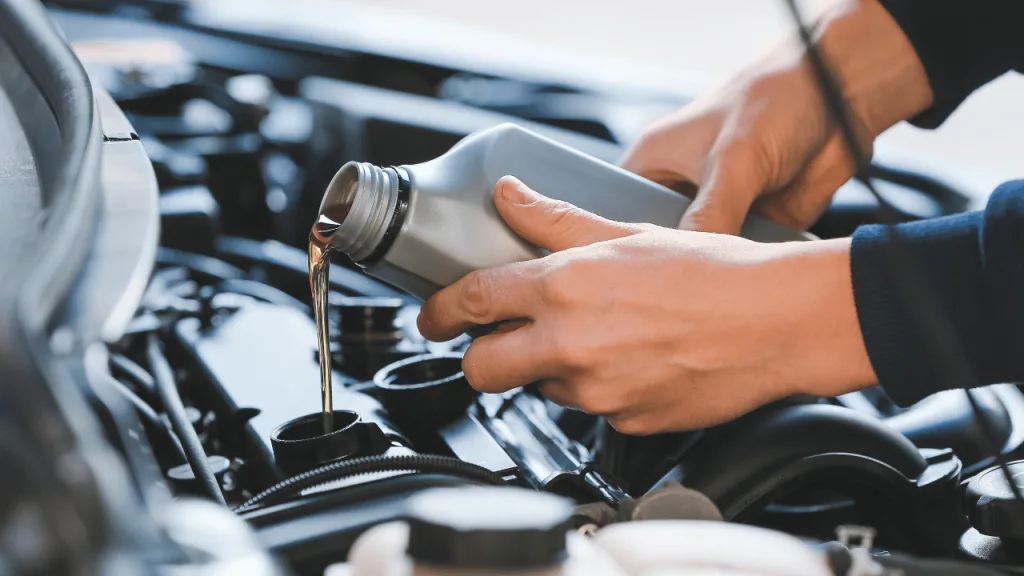
1. Your car has adequate oil and water. They cannot run the car safely otherwise.
2. The boot is empty and the vehicle is clear of valuables and personal belongings. If a baby seat is left in the car, it will be checked to make sure it's secure.
3. Your glove compartment is unlocked and clear of personal belongings — this is to allow for OBD testing. The onboard diagnostics port is often behind or near the glovebox. This is the single most commonly missed item on the list.
4. The vehicle is reasonably clean, especially the underbody. Not cosmetic fussiness — a tester needs to see the underside to inspect it. A caked-in underbody after a winter of country roads is a genuine reason to be refused.
5. Wheel hubcaps are removed (only where the wheel nuts aren't visible) and tyres are inflated to the correct pressure.
6. The engine is in a fit state to be tested — for example the cam belt or timing belt. You may be asked to sign a disclaimer at the test centre. If your timing belt is overdue, know that going in.
7. All seat belts and clips are fully visible, including the rear ones. Dig them out from under the seats and from beneath folded seat backs.
8. Have your lights checked and set beforehand. NCTS recommends this rather than requires it, and it's sound advice — lighting and alignment are among the most common failure items, and they're cheap to fix in advance.
9. Your Vehicle Registration Book, Registration Certificate or Licensing Certificate is with you when you arrive.
10. You bring identification — a driving licence — on the day. Again: the person who physically brings the car needs their own ID.
11. The fee is €60, inclusive of VAT and subject to change, plus any cancellation fee that applies. Payable by cash, debit card and all major credit cards — excluding American Express.
12. Your vehicle is at normal operating temperature when you arrive. This matters for the emissions test. Don't drive two minutes from a cold start; give it a proper run first.
13. Your registration plates comply with current regulations. Correct font, spacing, format and county. Novelty or non-standard plates fail.
The five things that catch people out
Out of that list, these are the ones that actually cause problems:
The glove compartment. Nobody expects it. Empty it and leave it unlocked.
American Express. If Amex is your only card, bring another payment method.
Operating temperature. A cold engine can fail an emissions test that a warm one would pass comfortably. If the centre is close to home, take the long way there.
The underbody. A wash that includes the underside, especially in winter, is worth the few euro.
Rear seat belts. Fold the seats down, find all the clips, make them visible.
What the test costs
| Item | Cost |
|---|---|
| Full NCT test | €60 |
| Re-test (requiring test equipment) | €40 |
| Visual re-test within 21 days at the same centre | Free |
Both fees include VAT.
The free visual re-test is worth knowing about. If your car fails on something that can be confirmed by eye — a blown bulb, a wiper blade, a registration plate — you do not pay again, provided you return within 21 days to the same centre. Anything needing the test equipment run again costs €40.
The 21 days are calendar days, not working days, counted from your original test date. If day 21 falls on a Sunday, you need to have been in before then.
How long does the NCT take?
The test itself takes roughly 30 to 40 minutes. Allow about an hour in total for check-in, the test and getting your result.
You don't stay with the car during the test. Most centres have a waiting area where you can see the test lanes.
Who needs an NCT, and how often?
| Vehicle age | Frequency |
|---|---|
| Under 4 years | No test required |
| 4 to 9 years | Every 2 years |
| 10 years and over | Every year |
There is no exemption for vintage or classic cars in Ireland, which surprises people who know the UK system.
Your certificate is valid for one or two years depending on the car's age at the time of testing.
What happens if you fail
You get a report listing every item that failed. You then arrange a re-test. Our NCT retest guide covers the fees, the 21 and 30-day deadlines and which items qualify for a free re-test.
The car needs to be re-tested and passed before you can legally drive it once the previous certificate has expired. If your existing NCT is still valid, you can keep driving on it while you get the work done.
Fix the failed items, keep the receipts, and return within 21 days if you want the reduced or free re-test.
The penalties for driving without an NCT
Worth being clear about, because the risk isn't only the fine.
- €60 fixed charge, rising to €90 if unpaid after 28 days
- 3 penalty points
- Court after 56 days if unpaid, with fines up to €2,500 and potentially up to three months' imprisonment
- Disqualification if you already hold 9 or more penalty points
There is also an insurance dimension. Driving without a valid NCT can give an insurer grounds to dispute a claim, which is a far larger exposure than the fixed charge.
While you're checking, make sure your motor tax is current too — they're separate obligations and both are checked at the roadside.
Improving your odds before you go
A few cheap things reduce the chance of a fail:
- Check every bulb. Headlights, brake lights, indicators, fog lights, number plate lights, reverse lights. Get someone to stand behind the car
- Check tyre tread. The legal minimum is 1.6mm across the central three-quarters. Check all four, including the inner edges where wear hides
- Top up the screen wash and check the wipers don't smear
- Listen for the obvious. Knocking suspension, grinding brakes and blowing exhausts are all common failures
- Clear any warning lights. An illuminated engine management light is a straightforward fail on the OBD test
Many garages offer a pre-NCT check for a modest fee, which is usually cheaper than a re-test plus the hassle. Our guides to car servicing in Dublin and Cork cover garages that offer it.
Common questions
What documents do I need for the NCT?
Your Vehicle Registration Certificate (logbook), photo ID for whoever brings the car, and your booking confirmation. Plus a payment method that isn't American Express.
Can I bring my car to the NCT without the logbook?
You should not rely on it. The registration certificate is on the official list, and turning up without it risks the centre being unable to complete the process. If yours is lost, apply for a replacement from the Department of Transport before your appointment.
Can someone else bring my car for the NCT?
Yes — and it's common. The person driving it in must bring their own photo ID. We cover the details in our guide to whether someone else can bring your car for the NCT.
Do I need to bring proof of insurance or motor tax?
They aren't on the NCTS checklist for the test itself. But the car must be legally roadworthy to drive there, which means taxed and insured.
Is the NCT re-test free?
Only for visual items that don't require test equipment, and only if you return within 21 calendar days to the same centre. Otherwise it's €40.
What if I need to cancel or reschedule?
Cancellation fees can apply depending on how much notice you give. Check the terms when you book — the official checklist explicitly mentions a cancellation fee as payable on the day where applicable.
Does a full tank of fuel matter?
You need a reasonable amount of fuel so the emissions test can run properly. You don't need to fill it, but don't arrive on fumes.
Will they test the car if it's dirty?
Possibly not. The official checklist requires the vehicle to be reasonably clean, especially the underbody, because the tester needs to inspect it. A quick wash including the underside removes the risk.
The short version
Bring the logbook, photo ID for whoever drives it in, your booking confirmation and a card that isn't Amex.
Before you go: empty the boot, unlock and empty the glove compartment, make all seat belts visible, remove hubcaps if the wheel nuts are hidden, check the tyre pressures, wash the car including underneath, and drive far enough to get the engine to normal operating temperature.
Do those and the only thing left to worry about is the car itself.
Keep reading
Related articles
All Things Cars
Motor Tax Ireland 2026: Rates, Bands and How to Tax Your Car Online
Full Irish motor tax rates for 2026 — CO2 and engine-size bands, how to tax your car online at motortax.ie, renewal PINs, arrears and off-road declarations.
27 August 2026 · 9 min read

All Things Cars
Eye Test for a Driving Licence in Ireland: When You Actually Need One
Most Irish drivers do not need an eyesight report to renew a licence. Here are the three situations where the NDLS actually requires one, and how to get it.
27 August 2026 · 5 min read
All Things Cars
EV Charger Installation in Ireland 2026: Costs, the SEAI Grant and Choosing a Charger
What a home EV charger costs to install in Ireland, how the €300 SEAI grant works, and how to choose between Zappi, Ohme, Easee and Wallbox.
27 August 2026 · 6 min read