
All Things Cars
EV Charger Installation in Ireland 2026: Costs, the SEAI Grant and Choosing a Charger
What a home EV charger costs to install in Ireland, how the €300 SEAI grant works, and how to choose between Zappi, Ohme, Easee and Wallbox.
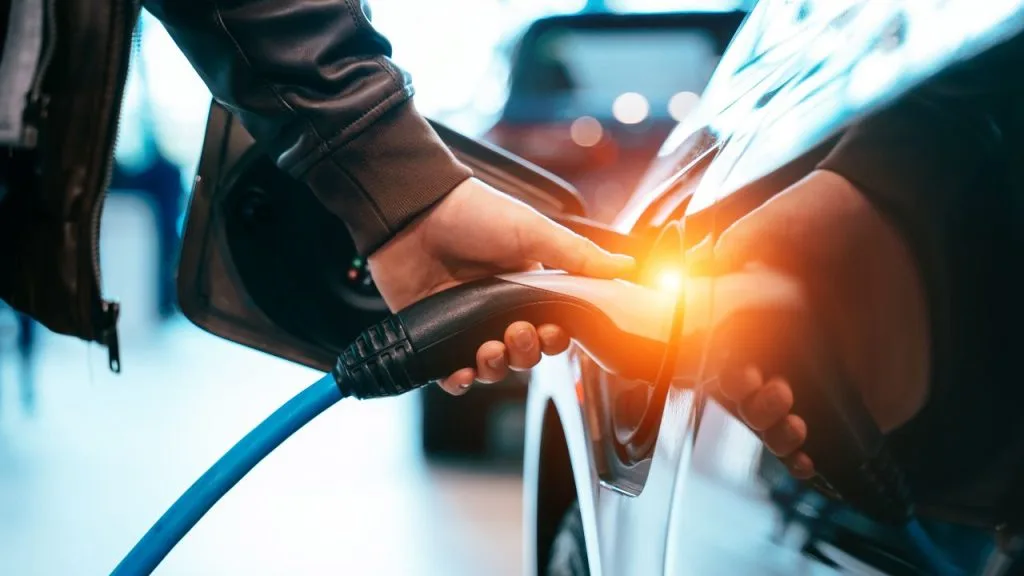
Charging at home is the whole point of running an electric car in Ireland. Public charging is fine for long trips, but if you can plug in on your own driveway overnight, you avoid queues, you charge on cheap night rates, and the car is full every morning without you thinking about it.
Here is what installation actually costs, how the SEAI grant works, and how to pick a charger without getting lost in spec sheets.
What a home EV charger costs in Ireland
For a typical 7.4kW wallbox, expect somewhere around €1,100 to €1,800 installed. That covers the unit itself plus the electrician's work.
Where you land in that range depends on a few things:
- Distance from the fuse board to the charger — a long cable run through walls or under a driveway pushes the price up
- The charger you choose — a basic smart charger costs noticeably less than one with solar diversion
- Whether your electrical supply needs upgrading — more on that below
- Tethered or untethered — a built-in cable adds a little to the unit price
The €300 SEAI grant comes off that, so a straightforward job often lands close to €800 to €1,200 net.
The SEAI home charger grant explained
The Sustainable Energy Authority of Ireland offers a €300 grant towards a home charger. It's not enormous against the total, but it's free money and the application is not difficult.
Who qualifies
- You must be the owner of the property where the charger is installed
- The property needs off-street parking — a driveway, garage or private space. A charger cannot run across a public footpath
- The charger must be on SEAI's approved list
- Installation must be by an electrician registered with Safe Electric Ireland
- You must not have previously claimed the grant
Two details worth knowing, because they surprise people:
You do not need to own an electric car yet. You can have the charger fitted in advance of buying one — useful if you're preparing for a purchase.
Plug-in hybrids qualify. The charger grant accepts PHEVs, which the vehicle purchase grant does not.
How to apply
You apply through the SEAI online portal after the work is finished and paid for, not before. Keep the invoice and the installer's completion paperwork — you'll need them.
Do you need an electrical supply upgrade?
This is the most common nasty surprise, so check it early.
Guidance under the ESB Code of Practice points to a minimum 12kVA supply for a home EV charger. Plenty of older Irish houses are on 8kVA, and if yours is, you need an upgrade before the charger can go in. That's an extra cost and an extra step with ESB Networks.
A good installer will identify this during the site survey rather than on the day of installation. Ask about it when you're getting quotes.
Tethered or untethered?
Tethered means the cable is permanently attached to the charger, coiled on a holster.
Untethered means there's just a socket, and you use the portable cable that came with your car.
For most Irish homes, tethered wins on day-to-day convenience. Walking out in November rain, grabbing a cable that's already there and plugging in beats fishing a cable out of the boot every time. It's also more secure, since there's no loose cable to walk off with.
Untethered makes more sense if you have two cars with different connectors, or if you want the flexibility of swapping cable lengths. Common tethered lengths are 5 or 7 metres — measure where you park before you decide, because a 5m cable that doesn't reach the charge port is a daily annoyance.
Choosing a charger
Almost all home chargers in Ireland are 7.4kW, which suits a standard single-phase domestic supply and will fill most EVs overnight. The differences are in the software.
Zappi (myenergi)
The one to get if you have solar panels. Zappi can divert surplus solar generation into the car rather than exporting it to the grid, which no mainstream competitor does as well. Available tethered or untethered.
Best for: homes with solar PV.
Ohme Home Pro
Ohme's strength is integration with energy tariffs. It talks to supplier systems and schedules charging for the cheapest hours automatically, rather than you setting a timer and hoping.
Best for: anyone on a smart or time-of-use electricity tariff who wants charging optimised without fiddling.
Easee
Norwegian, compact, and well built. A tidy minimalist unit that's SEAI-grant eligible and physically much smaller than most rivals — which matters if it's going on a visible front wall. Solar diversion is less developed than Zappi's.
Best for: where the charger will be seen and you want it discreet.
Wallbox Pulsar Max
Small, powerful, and entirely app-controlled — no screen, no buttons. Clean-looking, but you need to be comfortable doing everything through your phone.
Best for: minimalists happy living in an app.
What actually happens on installation day
- Site survey — the electrician checks your fuse board, supply capacity, and the cable route to where you park. This determines cost, feasibility and grant eligibility
- Quote — should itemise the unit, the labour and any supply upgrade
- Installation — typically about half a day for a straightforward job
- Certification — your installer provides the completion paperwork you need for the grant
- Grant claim — submit to SEAI with the invoice
Start to finish, including the grant, most people are done inside a few weeks.
Common questions
Can I install an EV charger myself?
No. Only electricians registered with Safe Electric Ireland may install EV chargers, and using anyone else voids your grant eligibility as well as creating an obvious safety and insurance problem.
Can I get the grant if I rent?
The grant requires you to own the property. If you're renting, the property owner would need to apply, and you'd need their agreement to have the work done.
Do I need planning permission?
For a standard wallbox on your own house with off-street parking, generally no. If your property is protected or you're planning something unusual, check with your local authority first.
Is home charging cheaper than public charging?
Substantially, especially on a night-rate tariff. That price gap is the main running-cost argument for EVs — our guide to small electric cars in Ireland covers the models available, and BYD's range has expanded here recently.
How does this affect motor tax?
Fully electric cars sit in the lowest band at €120 a year. Our motor tax guide has the full rate tables, including where plug-in hybrids land.
Will a charger add value to my house?
It's increasingly seen as a desirable feature rather than a novelty, particularly as EV ownership grows. Treat it as a convenience you're buying for yourself, with resale appeal as a bonus rather than the reason.
The short version
Budget €1,100–€1,800 installed, claim the €300 SEAI grant afterwards, and check your supply capacity early — the 8kVA-to-12kVA upgrade is the surprise that catches people out. Go tethered unless you have a specific reason not to, and pick the charger on software: Zappi if you have solar, Ohme if you're on a smart tariff, Easee if it needs to look tidy.
Keep reading
Related articles

All Things Cars
What to Bring to the NCT: The Complete 2026 Checklist
Exactly what documents and preparation the NCT requires, straight from the official NCTS checklist — plus the details that get cars turned away on the day.
1 September 2026 · 9 min read

All Things Cars
Motor Tax Ireland 2026: Rates, Bands and How to Tax Your Car Online
Full Irish motor tax rates for 2026 — CO2 and engine-size bands, how to tax your car online at motortax.ie, renewal PINs, arrears and off-road declarations.
27 August 2026 · 9 min read

All Things Cars
Eye Test for a Driving Licence in Ireland: When You Actually Need One
Most Irish drivers do not need an eyesight report to renew a licence. Here are the three situations where the NDLS actually requires one, and how to get it.
27 August 2026 · 5 min read